 |
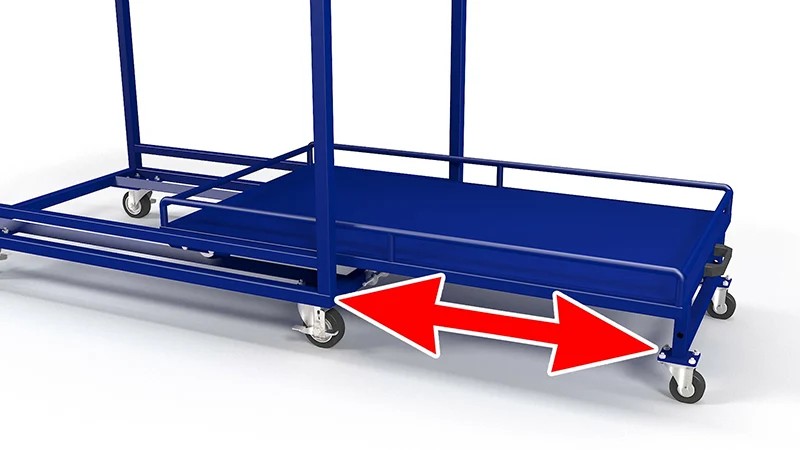
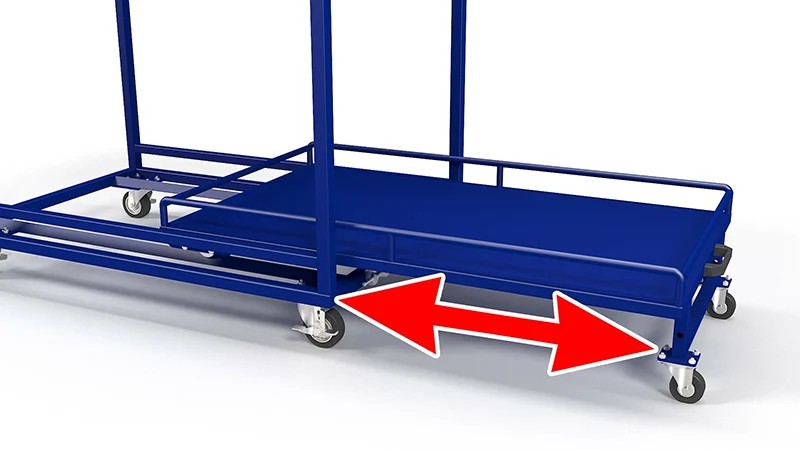
In a machine shop or fabrication environment, moving finished components is a high-risk task. A standard two tier cart on wheels seems like a simple solution, but it has a critical design flaw: the bottom shelf. Forcing heavy, precision-machined parts into this low, dark space is a direct cause of collisions, scratches, and costly damage. |
The Real Cost of a "Simple" Cart Design
The standard 2 tier trolley on wheels doubles capacity on the same footprint. But watch an operator use one for an hour. To place a heavy box or a delicate SKU on the bottom shelf, they must crouch and push the item deep inside, navigating under the top shelf. This repeated awkward movement leads to strain. Worse, it’s slow. Operators are 'feeling' for space, increasing the risk of bumping and damaging goods.
Beyond the Shelf: Engineering for Real-World Stability
In any industrial setting, "flimsy" is unacceptable. The primary concern with any extendable component is stability. A pull-out shelf that tips, wobbles, or binds under load is not a solution. The answer lies in a dual-component system that ensures stability *before* the load is placed.
1. The Guide System: V-Wheels and Angle Rails
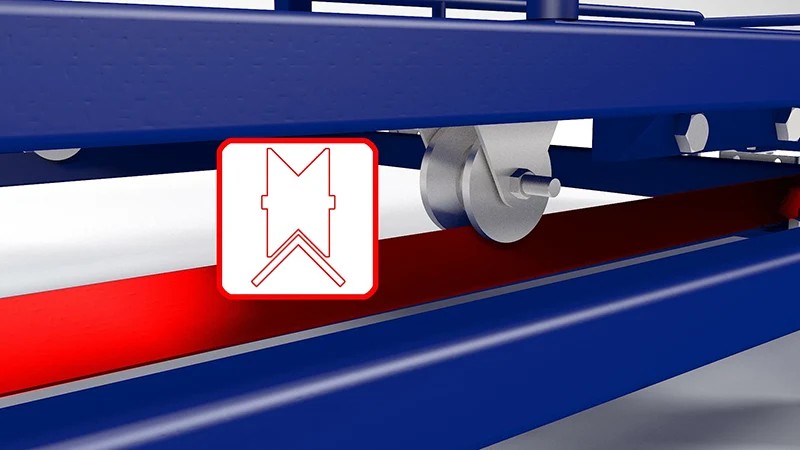
This is not a simple drawer slide. The system is built on an industrial guide track. The pull-out layer is fitted with V-groove wheels (V-wheels) that run along a dedicated angle steel rail. This engagement is critical: it locks the shelf into a precise path, eliminating the lateral wobble or "slop" seen in basic slides. This ensures a smooth, controlled motion every time.
2. The Load System: Independent Auxiliary Casters
The V-wheels guide the path, but the auxiliary casters bear the load. When the shelf is extended, two small casters at the *front* of the pull-out layer engage the floor. This instantly transfers the weight of the load directly to the ground. The shelf becomes its own independent, stable platform. This prevents the entire cart from tipping and removes all cantilever stress from the frame.
The Direct Impact on Your Workshop Flow
This design isn't just a feature; it's a process optimization. For a sheet metal shop or machining center, it means:
- Damage Prevention: Operators get clear, vertical access to the lower shelf. They can place heavy parts directly down, eliminating the risk of collision with the upper frame.
- Heavier Load Handling: The independent stability allows operators to confidently load heavy items (up to 300 kg per layer) without fear of the cart tipping.
- Reduced Physical Strain: Removing the need to bend and "push" heavy components into a low space is a significant ergonomic win, reducing fatigue and risk of injury.

Frequently Asked Questions
Q: Why is this pull-out cart better for a machine shop than a standard cart?
A: It directly prevents damage to valuable, heavy, or precision parts. The standard 2 tier trolley on wheels forces you to slide parts *under* the top shelf, causing collisions. The pull-out design gives you open, vertical access.
Q: Will the pull-out shelf tip over if I put a 200kg part on it?
A: No. It is engineered with auxiliary front casters. When extended, the shelf's weight is supported by its own wheels on the floor, not by the cart frame. This makes it an independent, stable platform.
Q: What is the load capacity of the pull-out layer?
A: Each layer (top and bottom) is rated for 300 kg. The total safe working load for the entire cart is 600 kg.
Q: What is the V-wheel and rail system mentioned?
A: This is an industrial guide track. The V-shaped wheel runs along a matching angle steel rail, which prevents the shelf from wobbling or moving side-to-side as it extends.
Q: Is the frame durable enough for heavy industrial use?
A: Yes. The frame is constructed from fully welded 30x30x1.5mm Q235 structural steel tubing and finished with a thick electrostatic powder coat for corrosion resistance.
Need a Custom Storage Solution?
Speak directly with our technical engineers. We offer free structural designs, heavy-duty catalog evaluations, and quick B2B price quotations.
Request a Quote Now →