 |
Most industrial carts are designed to *hold things*. A truly effective 2 tier cart on wheels is designed for the *person moving it*. This shift in focus—from the load to the operator—is the key to unlocking real productivity. Operator fatigue is a business metric, and the right design can minimize it. |
The Business Cost of Operator Fatigue
Operator fatigue is more than just feeling tired; it's a direct drain on efficiency. Fatigue leads to slower pick times as the shift progresses, a higher rate of picking errors, and an increased risk of musculoskeletal injuries. Standard carts contribute to this fatigue in three ways: high physical strain from bending, hand/wrist fatigue from poor handles, and noise fatigue from loud, hard wheels.
A Human-Centric Cart: A 3-Point System
An operator-first design addresses the total user experience. It's a system of components designed to work with the human body, not against it.
1. The Touchpoint: An Ergonomic Grip
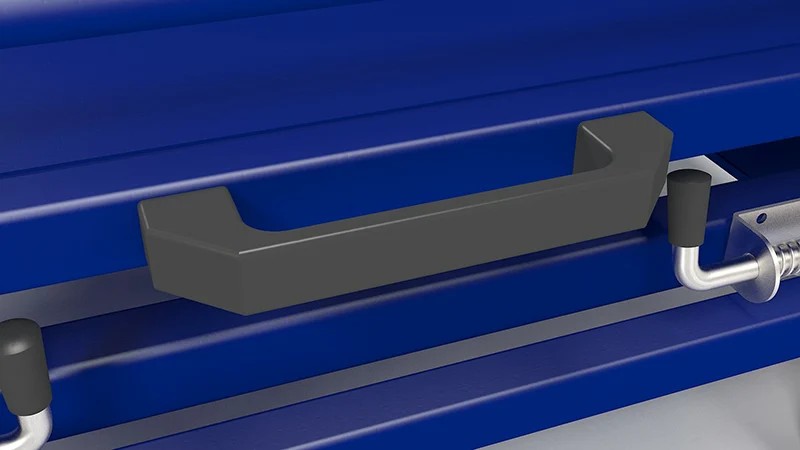
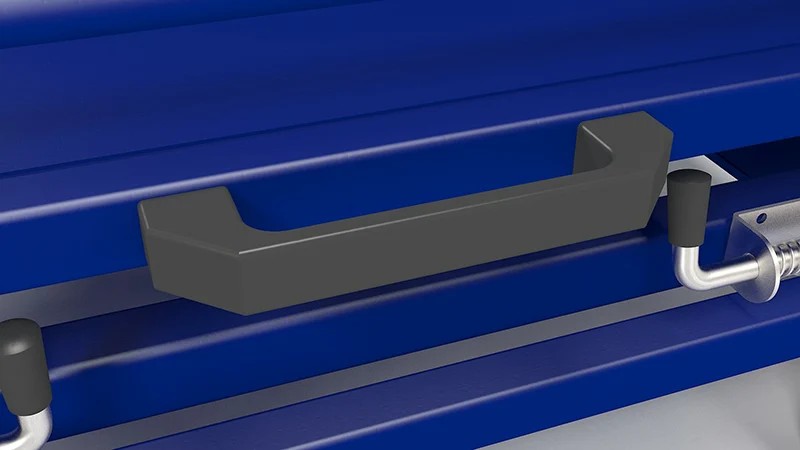
The operator's primary connection to a 600kg load is the handle. A simple bent metal tube is a poor interface. A high-quality, molded plastic handle is designed to fit the human hand, providing a secure, comfortable grip. This gives the operator superior control when navigating corners or stopping, and significantly reduces hand and wrist fatigue over hundreds of interactions per day.
2. The Movement: Quiet, Low-Friction Wheels
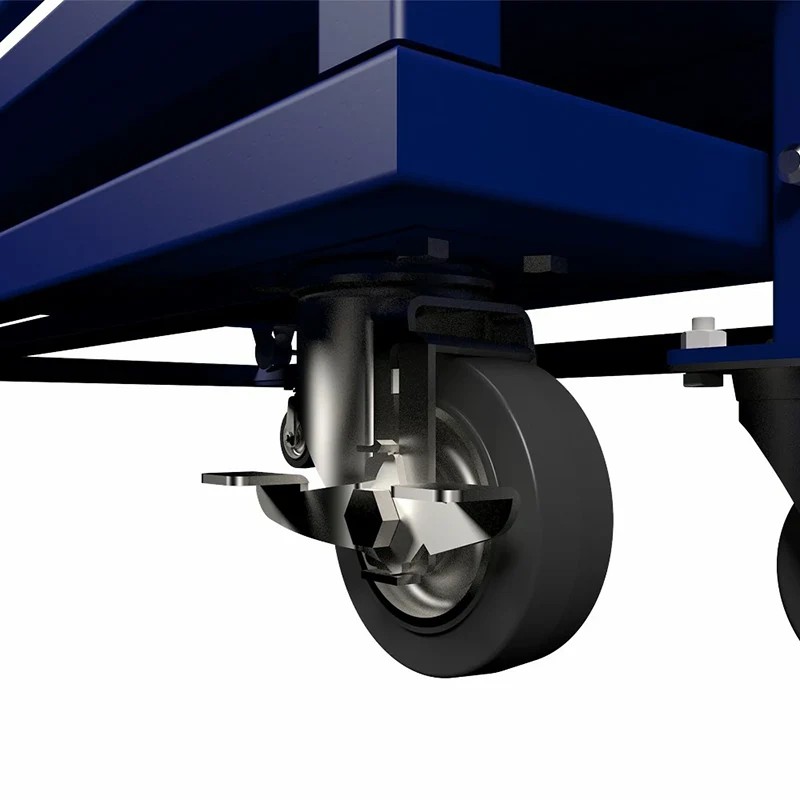
The choice of two tier trolley wheels is a critical ergonomic factor. Cheap, hard nylon wheels are loud and transmit every shock. High-strength Polyurethane (PU) casters are the superior choice for the operator. They are quiet, drastically cutting down on warehouse noise pollution. They also have a lower rolling resistance, meaning it takes *less physical force* to start and move a fully loaded cart, directly reducing operator exertion.
3. The Action: Eliminating the Worst Motion
The single most fatiguing action is accessing the bottom shelf. The human-centric solution is to eliminate that motion. A pull-out lower shelf, supported by its own stable casters, transforms the workflow. It replaces a high-strain "bend, reach, and twist" motion with a simple, low-strain "pull and place" action. This is the most significant ergonomic improvement possible for a 2 tier utility cart.
The Result: A Tool That Reduces Fatigue, Not Creates It
When you combine an ergonomic handle, quiet-rolling wheels, and an accessible pull-out shelf, the result is a tool that supports the operator. A less-fatigued operator is a more productive operator. They maintain a consistent, accurate pace for their entire shift. This design philosophy isn't a luxury; it's a direct investment in operational throughput.
Frequently Asked Questions
Q: What is "operator-first" or "human-centric" design?
A: It's a design philosophy that prioritizes the human operator's safety, comfort, and efficiency, rather than just focusing on the cart's load capacity. It considers touchpoints (handles), movement (wheels), and workflow (access).
Q: How does a better handle improve productivity?
A: An ergonomic handle reduces hand and wrist fatigue. This allows an operator to maintain better control over a heavy load and work more comfortably, leading to fewer micro-breaks and more consistent performance.
Q: Why are Polyurethane (PU) wheels better for the operator than nylon wheels?
A: PU wheels are much quieter, reducing noise fatigue in the warehouse. They also provide a smoother, cushioned roll with less vibration, and require less physical force to start moving a heavy load.
Q: How much does the pull-out shelf help with ergonomics?
A: Massively. It eliminates the single worst motion required by a standard 2-tier cart: bending deeply while holding a heavy item. This directly reduces strain on the operator's back, knees, and shoulders.
Q: Is this 2 tier utility cart system truly quieter?
A: Yes. The combination of a precision-welded frame (which doesn't rattle) and high-quality PU casters (which absorb vibration) makes it significantly quieter than a standard bolt-together cart with hard nylon or metal wheels.
Need a Custom Storage Solution?
Speak directly with our technical engineers. We offer free structural designs, heavy-duty catalog evaluations, and quick B2B price quotations.
Request a Quote Now →