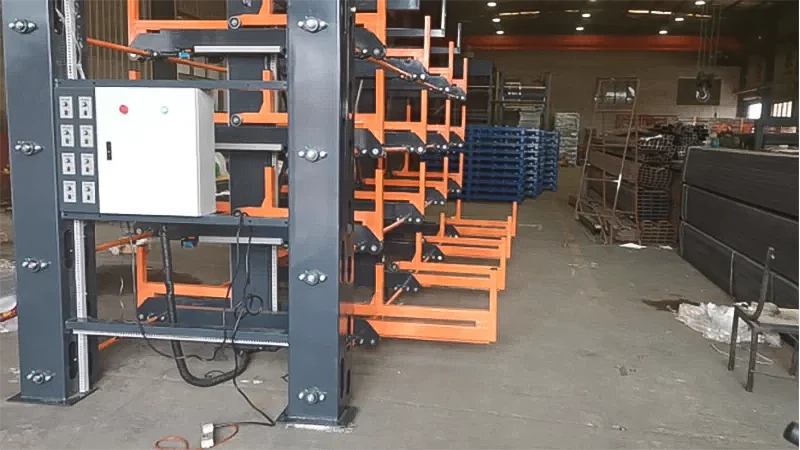
Stop Treating Precision Stainless Steel Like Scrap Metal
Your high-purity tubing and polished bar stock demand more than floor stacking. Traditional stacking cradles expose your inventory to “honeycombing,” surface scratches, and dangerous forklift maneuvers. Switch to a system designed for Overhead Crane Access and zero-contact handling.
Why Stacking Cradles Fail Modern Steel Service Centers
In the high-stakes world of stainless steel distribution and sanitary component manufacturing—like the operations at GHWA—integrity is everything. When you are dealing with 316L pharmaceutical-grade tubing or high-precision bar stock, the “old way” of storage is costing you money.
Reliance on floor stacking or simple stacking cradles creates three specific operational bottlenecks:
- The “Buried Stock” Dilemma: To access a specific heat number of tubing at the bottom of a stack, your operators perform “secondary handling”—moving 3-4 bundles just to reach the one they need. This wastes 15-25 minutes per pick.
- Surface Damage Risks: Every time a forklift fork digs into a stack or a bundle is dragged across another, you risk compromising the Ra surface finish. For hygienic industries, a scratch isn’t just a blemish; it’s a rejected part.
- Aisle Bloat: Stacking cradles require wide turning radiuses for forklifts. You are paying rent on empty air just so your trucks can turn around.
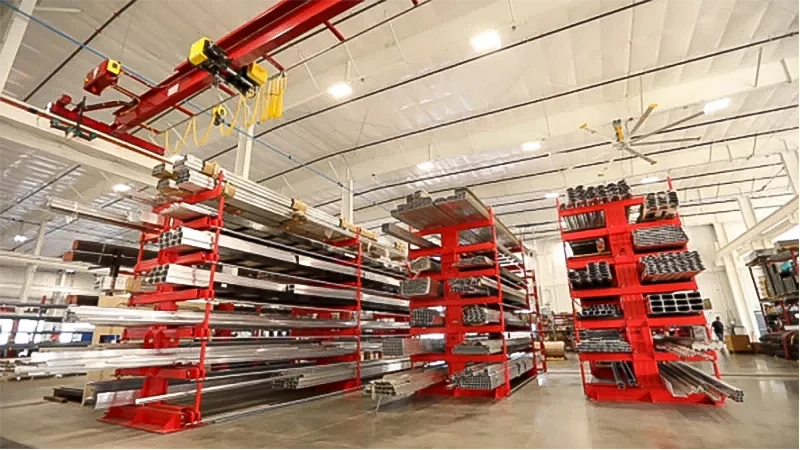
Figure 1: Eliminating forklift aisles allows for denser storage of long metal profiles.
The Substitute: Telescopic Cantilever Racks
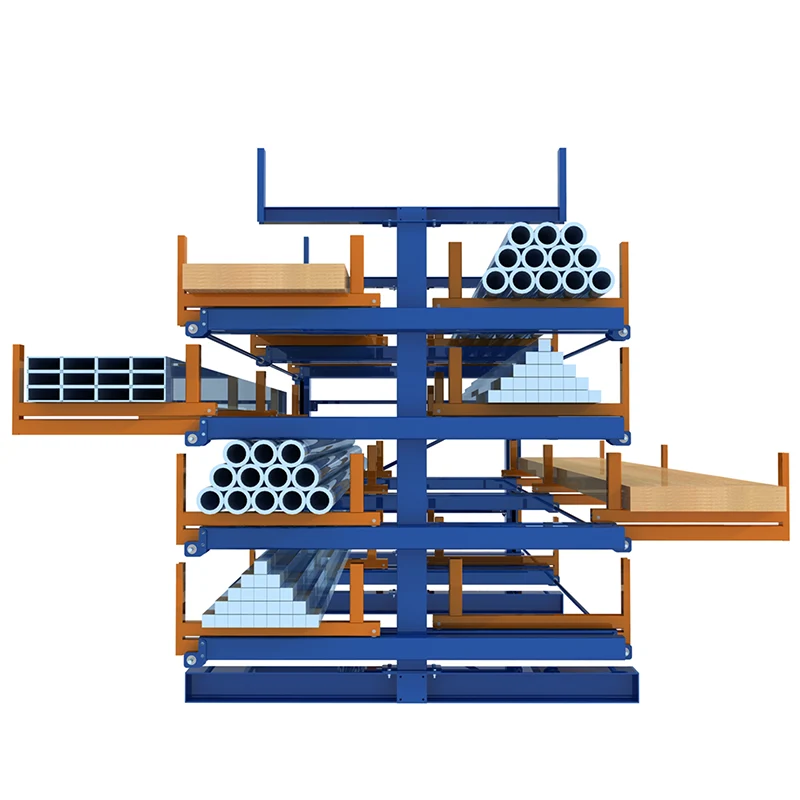
The superior alternative to static cradles is the Telescopic (Roll-Out) Cantilever Rack. Unlike static systems, this architecture features arms that extend 100% out from the column, functioning like heavy-duty drawers.
This design shift aligns perfectly with the workflow of modern fabrication shops equipped with Overhead Cranes (Bridge Cranes). Instead of driving a forklift into a narrow aisle, your operator simply extends the rack level—manually or electrically—and uses the crane to hoist the material directly vertically.
Protecting High-Value Inventory
For a company managing expensive stainless alloys, the “no-contact” retrieval method is critical. The crane lifts the bundle straight up using nylon slings. There is no friction, no dragging, and no impact from steel forks. By adding optional UHMW liners to the rack arms, you ensure that your polished tubes rest on a non-marring surface, preserving the integrity of the passivated layer.
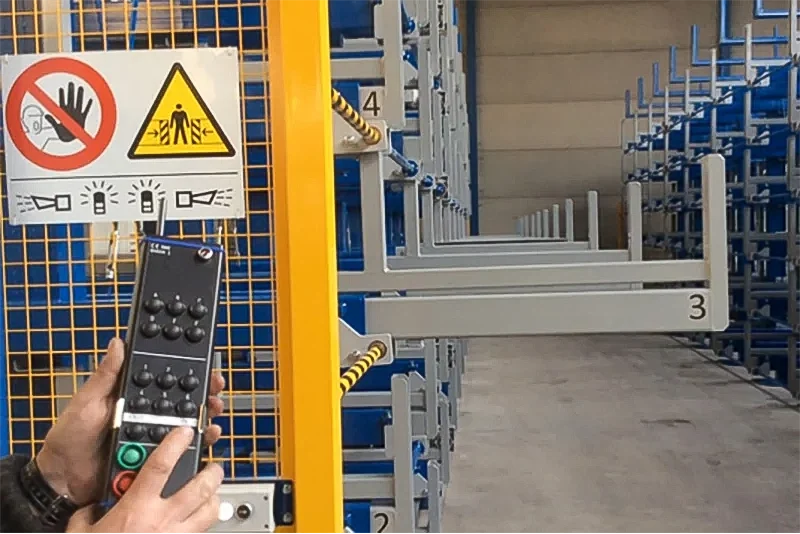
Figure 2: Electric roll-out systems allow operators to access heavy tube bundles safely via remote control.
Operational Impact: Feeding the Saws and Lasers
The value of roll out cantilever racks extends beyond storage; it is a productivity tool for your cutting centers. Whether you are feeding a band saw or a tube laser, waiting for material is the biggest cause of machine downtime.
By positioning a telescopic rack directly adjacent to your processing equipment, you create a “Point of Use” storage buffer. Operators can retrieve raw stock in under 3 minutes without waiting for a forklift driver to return from the other side of the warehouse. This transforms your material flow from a batch-and-queue nightmare into a lean, Just-In-Time operation.
Comparison: Stacking Cradles vs. Telescopic Racks
| Feature | Traditional Stacking Cradles | Telescopic Cantilever Racks |
|---|---|---|
| Retrieval Method | Forklift (Requires wide aisles) | Overhead Crane (Zero aisle width) |
| Inventory Access | FILO (Buried stock requires moving top layers) | 100% Selectivity (Direct access to any level) |
| Surface Protection | Low (High risk of fork impact/crushing) | High (Vertical lift, no friction) |
| Retrieval Time | 15-20 Minutes (digging required) | 2-4 Minutes (extend and lift) |
| Floor Space Efficiency | Low (50% wasted on aisles) | High (Dense storage, minimal footprint) |
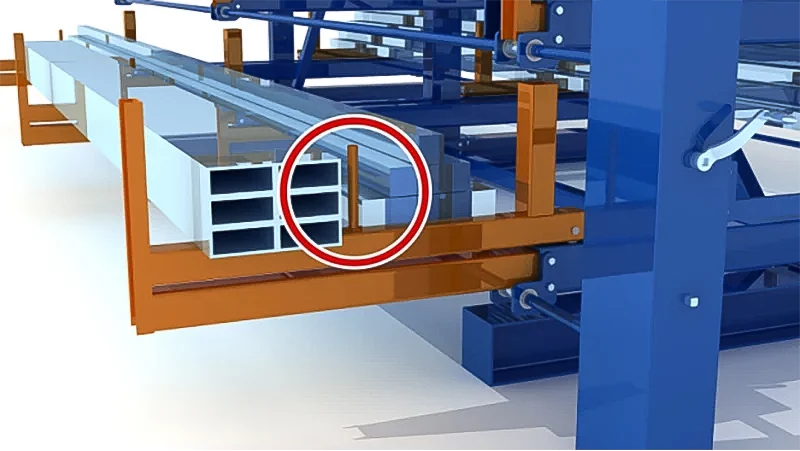
Figure 3: Adjustable dividers ensure different alloy grades and diameters remain separated and organized.
Built for Heavy Industrial Loads
Do not mistake “telescopic” for “fragile.” These systems are engineered for the heavy steel industry.
- Capacity: Up to 6,600 lbs (3,000 kg) per arm level.
- Lengths: Custom configurations to handle 20ft or 24ft stock easily.
- Mechanism: Available in manual crank-out (geared for mechanical advantage) or fully motorized electric versions for high-cycle applications.
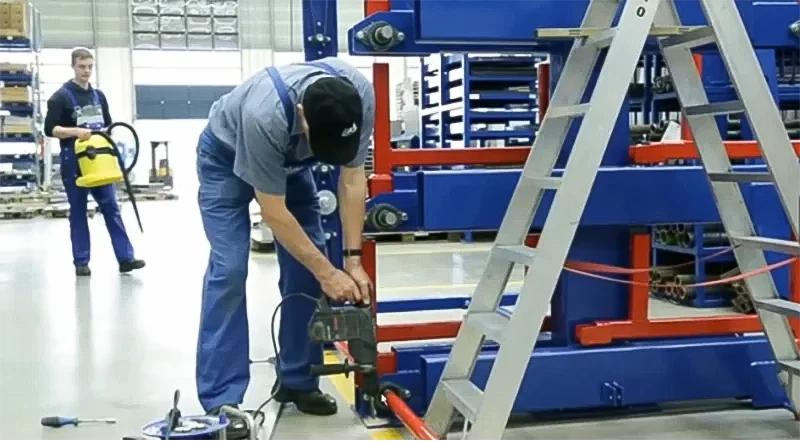
Figure 4: Secure anchoring ensures stability even when fully loaded with heavy gauge steel pipe.
Frequently Asked Questions
1. We primarily handle 304 and 316 stainless steel tubes with polished finishes. How does this rack prevent scratching?
Unlike forklifts that scrape forks against the material, our telescopic racks are designed for overhead cranes using nylon slings. This allows for a direct vertical lift. Additionally, we can install UHMW (plastic) liners on the cantilever arms to ensure the steel never touches bare metal.
2. Can this system handle 20-foot random lengths of pipe?
Yes. The rack system is modular. We configure the number of columns and the spacing to support 20ft, 24ft, or custom lengths of pipe and bar stock, ensuring minimal deflection along the length of the material.
3. Our facility uses a 10-ton overhead crane. Is this rack compatible?
Absolutely. The primary advantage of the roll-out design is to unlock the potential of your existing overhead crane. By extending the drawer 100% clear of the rack structure, your crane operator has a clear line of sight and unrestricted vertical access to the load.
4. How much floor space can we actually save compared to floor stacking?
Typically, clients see a 40-50% reduction in floor space usage. By utilizing vertical height securely and removing the need for 12-15ft wide forklift maneuvering aisles, you can consolidate widespread floor stacks into a compact, vertical footprint.
5. Is the electric version necessary, or is the manual crank sufficient?
For loads under 3 tons per level with moderate access frequency, the manual crank is highly efficient due to its geared ratio—a single operator can move it easily. For heavier loads (up to 5 tons) or high-frequency environments (like feeding a continuous laser cutter), the electric version reduces operator fatigue and speeds up cycle times.
Need a Custom Storage Solution?
Speak directly with our technical engineers. We offer free structural designs, heavy-duty catalog evaluations, and quick B2B price quotations.
Request a Quote Now →