For manufacturers of high-purity sanitary components, a scratched surface on a 316L stainless steel tube isn’t just cosmetic—it’s immediate scrap. Traditional forklift-loaded racks are destroying your Ra surface finish values and eating up valuable production floor space. There is a safer, denser way to store your inventory.
The Hidden Cost of Storing Sanitary Tubing on Static Racks
In the world of hygienic stainless steel manufacturing—whether you are producing heat exchangers for pharma or tube fittings for the dairy industry—the integrity of your raw material is paramount. You deal in expensive alloys, electropolished surfaces, and strict ASME BPE standards.
The standard fixed cantilever rack is the enemy of these standards. Why? Because it forces you to use a forklift for every retrieval. When a forklift operator tries to pull a 20-foot bundle of polished tubing from a middle shelf, two things happen:
- Surface Damage (The “Scrap” Trap): The forks slide against the tubes, or the tubes slide against each other. Even a minor abrasion ruins the surface roughness (Ra) required for sanitary applications, turning a premium product into scrap metal.
- The “Digging” Delay: If the specific heat number or diameter you need is behind another bundle, the operator has to double-handle the material. This increases the risk of dents and contamination with every move.
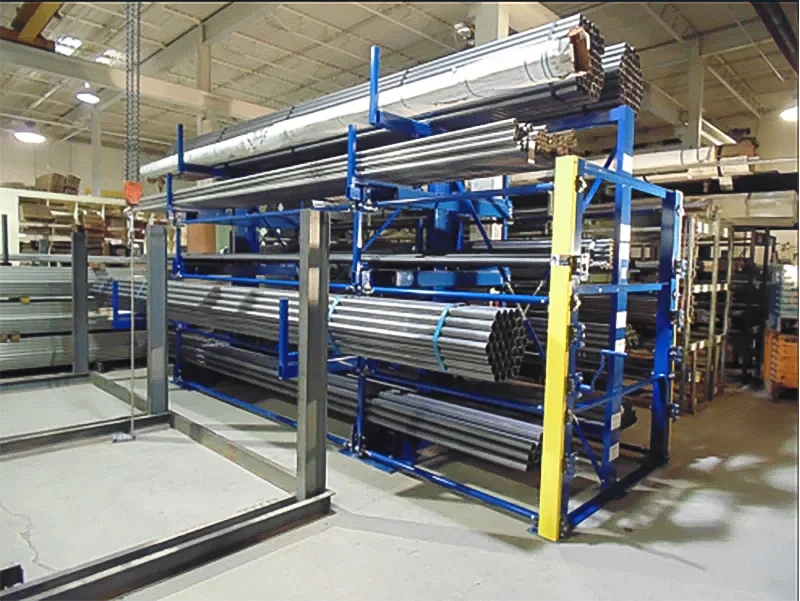
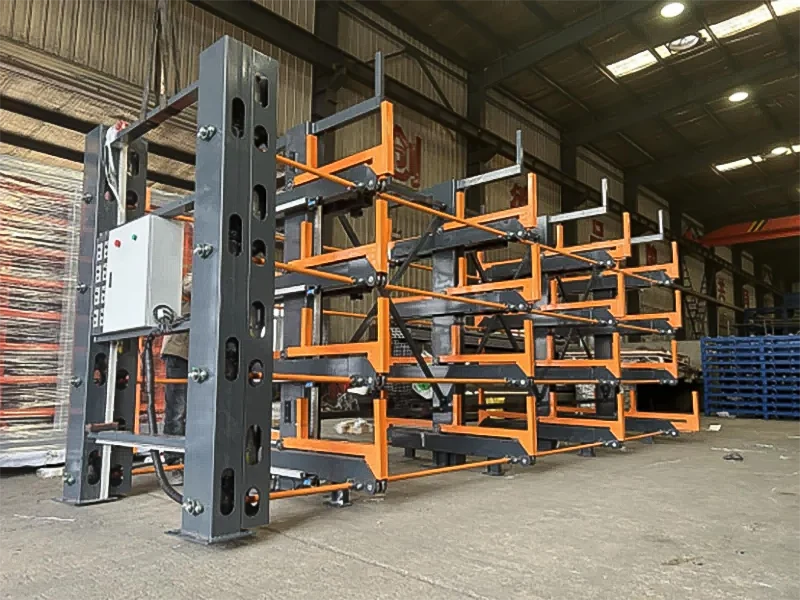
Figure 1: High-density storage eliminating the need for forklift aisles.
The Solution: 100% Access with Roll Out Cantilever Racks
The fundamental difference with a Roll Out Cantilever Rack (also known as a crank-out or telescopic rack) is that the storage levels are not static. Each arm level acts as a drawer that extends 100% out into the aisle.
For a facility processing high-quality hygienic stainless steel components, this changes the retrieval logic entirely:
- Crane Access is King: Once the drawer is cranked out, you can use your overhead crane or vacuum lifter to pick the tubing straight up. There is no sliding, no friction, and no forklift forks banging into the material.
- Zero Aisle Waste: Since you don’t need a turning radius for a heavy-duty forklift, you can stack these racks closer together. You can recover up to 50% of your floor space—space that can be better used for new CNC machines or welding stations.
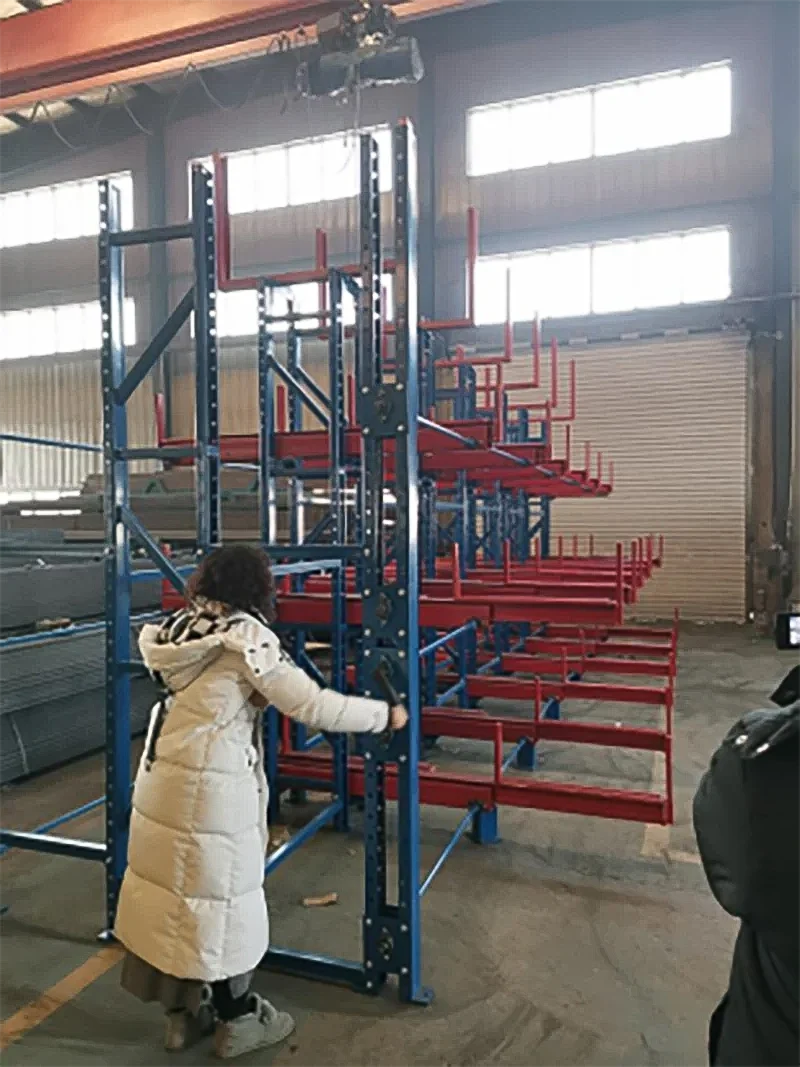
Figure 2: Ergonomic crank handle allows a single operator to move tons of steel effortlessly.
Standard vs. Roll-Out: A Logic Check for Steel Service Centers
If you are storing raw stock for manufacturing valves, pumps, or actuators, compare the two systems directly:
| Feature | Standard Cantilever Rack | Roll Out Cantilever Rack |
|---|---|---|
| Retrieval Method | Forklift (Requires maneuvering) | Overhead Crane / Vacuum Lifter (Vertical Lift) |
| Surface Protection | High Risk (Sliding & Impact) | Zero Contact (Strap or Vacuum Lift) |
| Aisle Width Required | 12-15 Feet (For Forklift turn) | Only operator walking space |
| Access Selectivity | Front bundles block rear bundles | 100% Selectivity (Pick any drawer) |
Engineered for Heavy, High-Value Loads
Your inventory is heavy. A bundle of 20-foot solid stainless bars or thick-walled pipes adds up quickly. Our racks are not light-duty shelving.
- Capacity: Each drawer level can support up to 6,600 lbs (3,000 kg).
- Structure: We use high-grade structural steel and H-beam bases, secured with chemical anchor bolts. This ensures rigidity even when multiple levels are fully loaded.
- Customization for “Tube & Components”: For smaller items like loose fittings or short cut-offs intended for machining, we can install dividers or decking on the arms, turning them into deep storage drawers that prevent stock mixing.
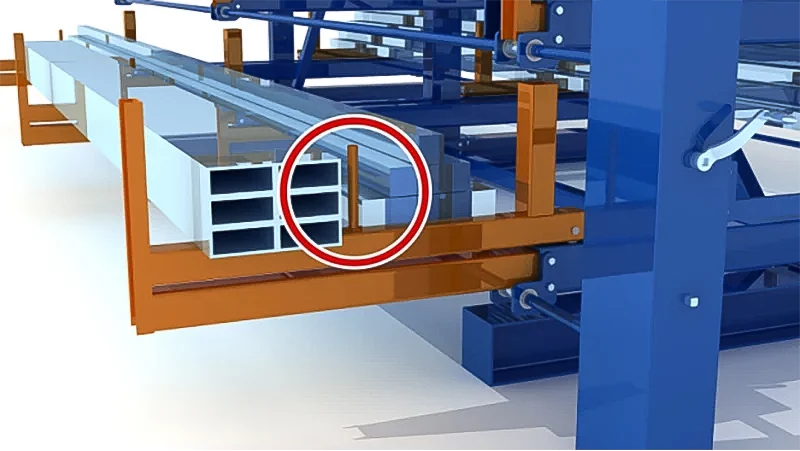
Figure 3: Optional dividers ensure different diameter tubes and bars never mix.
Automation for High-Volume Production
For facilities running 24/7 production of components like butterfly valves or spray balls, manual cranking might be too slow. We offer fully electric roll-out systems. With a simple remote control, the operator can extend the rack while positioning the crane, slashing cycle times and reducing operator fatigue.
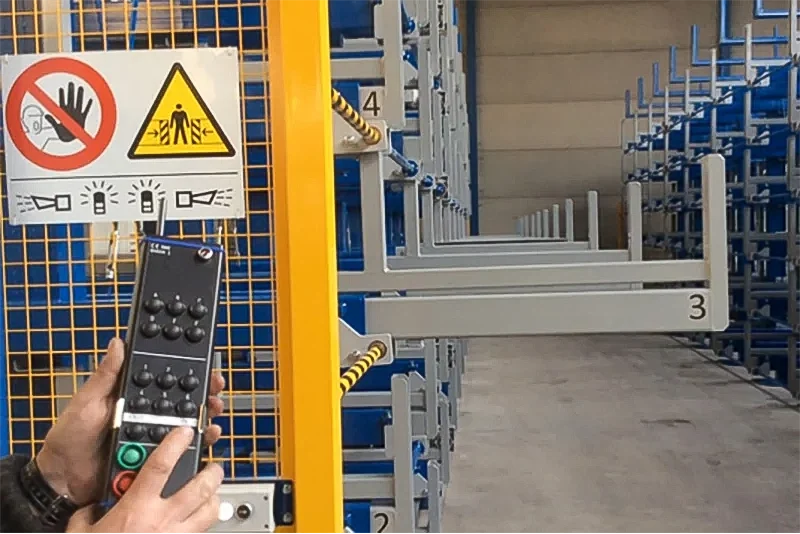
Figure 4: Electric systems streamline the workflow for high-frequency access.
FAQ: Storage for Sanitary Stainless Steel Manufacturers
Q: Can we add protection to the arms to prevent scratching our polished tubes?
A: Yes. We typically install UHMW (Ultra-High Molecular Weight Polyethylene) liners on the cantilever arms for clients in the sanitary industry. This provides a soft, non-abrasive surface that protects the polished finish of your tubes.
Q: We process 20-foot (6m) raw lengths. Does this rack support them?
A: Absolutely. The system is modular. We adjust the number of columns and the spacing to perfectly support 20-foot or even 40-foot lengths, ensuring the material doesn’t sag or bend.
Q: How does this help with contamination control?
A: By moving storage vertical and eliminating forklift traffic in the storage zone, you significantly reduce the amount of floor dust and rubber tire particulate kicked up onto your clean inventory.
Q: Can I store pallets of fittings on these racks too?
A: While designed for long goods, the arms can be decked with steel grating or wood to create a full shelf, allowing you to store pallets of valve bodies, clamps, or gaskets alongside your tube stock.
Q: Is the installation disruptive to our production?
A: Our roll out cantilever racks are modular and bolted. We can install them in sections. Once the base is anchored (as shown in Figure 5 below), the assembly is fast, minimizing downtime in your manufacturing plant.
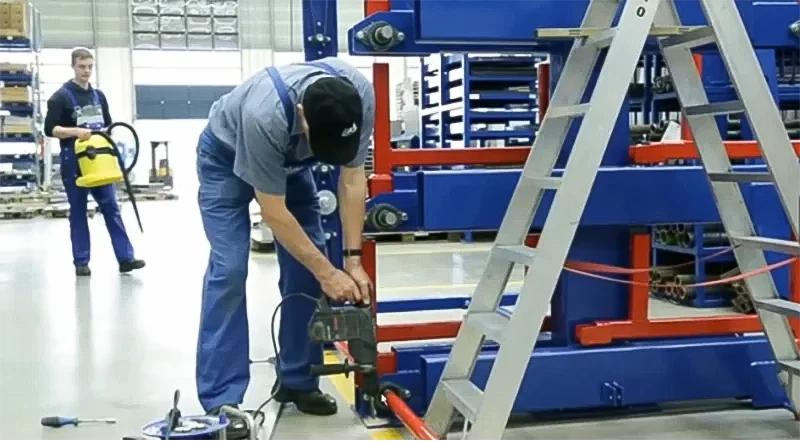
Figure 5: Secure anchoring ensures stability for heavy stainless loads.
Need a Custom Storage Solution?
Speak directly with our technical engineers. We offer free structural designs, heavy-duty catalog evaluations, and quick B2B price quotations.
Request a Quote Now →